DMTT 15 Percent UAE: What Businesses Need to Know About the New Global Minimum Tax Framework with Vigor

The introduction of the DMTT 15 percent UAE framework marks a significant shift in how multinational businesses operating in the region approach taxation. As global tax standards evolve under the OECD’s Pillar Two initiative, the UAE has aligned itself with international compliance expectations by introducing a Domestic Minimum Top-Up Tax (DMTT). This ensures that large multinational enterprises (MNEs) pay a minimum effective tax rate of 15 percent on profits generated within the country.
For businesses operating in Dubai, Abu Dhabi, and across the UAE, understanding how the DMTT 15 percent UAE applies is no longer optional. It is a critical part of financial planning, compliance, and long-term strategy.
Understanding the DMTT 15 Percent UAE Framework
The DMTT 15 percent UAE is designed to ensure that multinational companies with consolidated global revenues exceeding €750 million meet a minimum tax threshold. If a company’s effective tax rate in the UAE falls below 15 percent, the government can apply a top-up tax to bridge that gap.
This development aligns the UAE with global tax reforms while maintaining its attractiveness as a business hub. Historically known for its tax efficiency, the UAE is now balancing competitiveness with international transparency and compliance.
For businesses, this means recalibrating financial models, reviewing tax structures, and ensuring accurate reporting. The DMTT is not just another tax—it represents a structural shift in how profits are assessed and taxed globally.
DMTT 15 Percent Dubai: Impact on Businesses Operating in Dubai
Dubai remains one of the most dynamic commercial centers in the region, attracting multinational corporations across industries. With the implementation of DMTT 15 percent Dubai, companies operating within free zones and mainland jurisdictions must reassess their tax exposure.
While Dubai continues to offer strategic advantages such as infrastructure, connectivity, and investor-friendly policies, the introduction of DMTT changes how tax benefits are realized. Businesses that previously relied on low or zero tax environments must now evaluate whether their effective tax rate meets the 15 percent threshold.
The key challenge for companies in Dubai lies in compliance and documentation. Accurate financial reporting, alignment with international standards, and timely submissions to regulatory authorities become essential under this framework.
This is where professional guidance becomes crucial. Firms like Vigor Accounting & Taxation play a central role in helping businesses navigate these changes without disrupting operations.
DMTT 15 Percent Abu Dhabi: Strategic Implications for Capital-Based Enterprises
Abu Dhabi, as the capital and a hub for energy, finance, and sovereign investments, is equally impacted by the DMTT 15 percent Abu Dhabi regulations. Large enterprises operating in sectors such as oil and gas, investment management, and infrastructure must now ensure that their tax structures align with global minimum tax requirements.
The implementation of DMTT 15 percent Abu Dhabi introduces a layer of scrutiny on financial reporting and profit allocation. Businesses must carefully assess how their income is taxed across jurisdictions and whether any adjustments are required to meet compliance standards.
For companies headquartered or operating significantly in Abu Dhabi, this shift also affects long-term investment strategies. Tax efficiency is no longer just about minimizing liability—it is about aligning with international frameworks while maintaining operational integrity.
Compliance Challenges Under DMTT 15 Percent UAE
The transition to the DMTT 15 percent UAE framework is not without challenges. Many businesses are still adapting to corporate tax regulations introduced recently, and the addition of a global minimum tax increases complexity.
One of the primary concerns is calculating the effective tax rate accurately. This involves consolidating financial data, adjusting for temporary differences, and ensuring alignment with OECD guidelines. Errors in calculation or reporting can lead to penalties, audits, and reputational risks.
Another challenge lies in documentation. Authorities require detailed records to verify compliance, including financial statements, tax filings, and supporting evidence for calculations. Businesses that lack structured accounting systems may struggle to meet these requirements.
This is why working with an experienced accounting firm is critical. Vigor Accounting & Taxation ensures that your financial records are not only compliant but also optimized for clarity and accuracy under the new framework.
How Vigor Helps You Navigate DMTT 15 Percent UAE
Navigating the DMTT 15 percent UAE, DMTT 15 percent Dubai, and DMTT 15 percent Abu Dhabi regulations requires more than basic accounting knowledge. It demands a strategic approach that integrates compliance, reporting, and advisory.
Vigor Accounting & Taxation provides end-to-end support for businesses adapting to these changes. From assessing your current tax position to implementing compliant structures, Vigor ensures that every aspect of your financial operations aligns with regulatory expectations.
As an FTA-approved tax agency, Vigor offers expertise in VAT, corporate tax, and now global minimum tax compliance. The team works closely with businesses to identify risks, streamline reporting processes, and ensure timely submissions.
More importantly, Vigor focuses on proactive planning. Instead of reacting to regulatory changes, businesses can stay ahead by understanding how DMTT impacts their operations and making informed decisions early.
The Future of Taxation in the UAE
The introduction of the DMTT 15 percent UAE signals a broader shift toward global tax harmonization. While the UAE continues to offer competitive advantages, it is now part of a more transparent and standardized international tax environment.
For businesses, this means adapting to a new reality where compliance is as important as profitability. Companies that invest in proper accounting systems, professional advisory, and strategic planning will be better positioned to thrive.
The DMTT 15 percent Dubai and DMTT 15 percent Abu Dhabi frameworks are not just regulatory changes—they are indicators of where global taxation is heading. Businesses that understand and adapt to these changes early will gain a competitive edge.
Staying Compliant and Competitive
Operating in the UAE remains highly advantageous, but the rules are evolving. The DMTT 15 percent UAE requires businesses to rethink how they approach taxation, compliance, and financial management.
With the right support, this transition can be seamless. Vigor Accounting & Taxation ensures that your business remains compliant, efficient, and prepared for the future.
If your business falls within the scope of these regulations, now is the time to act. Understanding the implications of DMTT 15 percent UAE, DMTT 15 percent Dubai, and DMTT 15 percent Abu Dhabi is essential to avoiding risks and maintaining stability.
Partner with Vigor to navigate this shift with confidence and clarity.
Sources & definitions
Official sources
Terms used in this article
- VATValue Added Tax
- A 5% consumption tax applied to most goods and services in the UAE. Businesses above the mandatory threshold must register with the Federal Tax Authority and file returns.
- Corporate TaxUAE Corporate Tax
- A 9% federal tax on business profits above AED 375,000, effective for financial years starting on or after 1 June 2023. Profits below that threshold are taxed at 0%.
- DMTTDomestic Minimum Top-up Tax
- A 15% minimum effective tax rate applied to large multinational groups operating in the UAE, aligning the country with the OECD's global minimum tax framework.
Reviewed by the Vigor Accounting & Taxation team on 2 May 2026. Guidance is general and does not replace advice on your own circumstances.
People also ask
- Why VAT Training Matters More Than Ever?Answered in: Expert VAT Training Across the UAE
- Why Businesses Are Investing in VAT Training UAE Programs?Answered in: Why VAT Training Is Now Essential in the UAE
- Why Businesses Are Seeking FTA Reconsideration Fujairah Support?Answered in: The FTA Reconsideration Process in the UAE
- Why Businesses Are Seeking FTA Reconsideration Sharjah Support?Answered in: Challenging FTA Penalties in the UAE
- Why Businesses Are Seeking FTA Reconsideration UAE Support?Answered in: What Businesses Should Know Before Filing an FTA
Worth reading
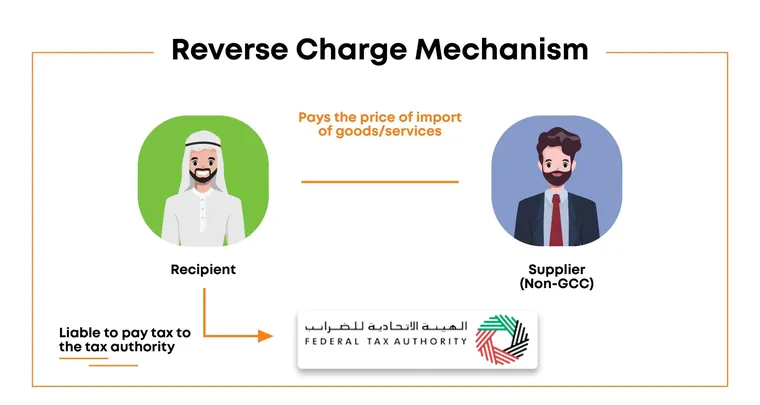 VAT & TaxWhat is Reverse Charge Mechanism (RCM) in UAE VAT: A Comprehensive GuideSmoothly filing your VAT returns like clockwork when suddenly your supplier mentions "reverse charge" that stops you from your tracks.Read the guide18 min read
More in VAT & Tax
See all → Al Ain · FujairahVAT & Tax5 min
Strengthen Your VAT Knowledge: Professional Training Programs
Understanding Value Added Tax (VAT) has become an essential part of running a successful business in the UAE. Ras Al Khaimah · SharjahVAT & Tax5 min
Build Tax Confidence Through Expert VAT Training Across the UAE
As the UAE continues to strengthen its tax framework, businesses and professionals are increasingly recognizing the importance of understanding Value Added… Abu Dhabi · DubaiVAT & Tax5 min